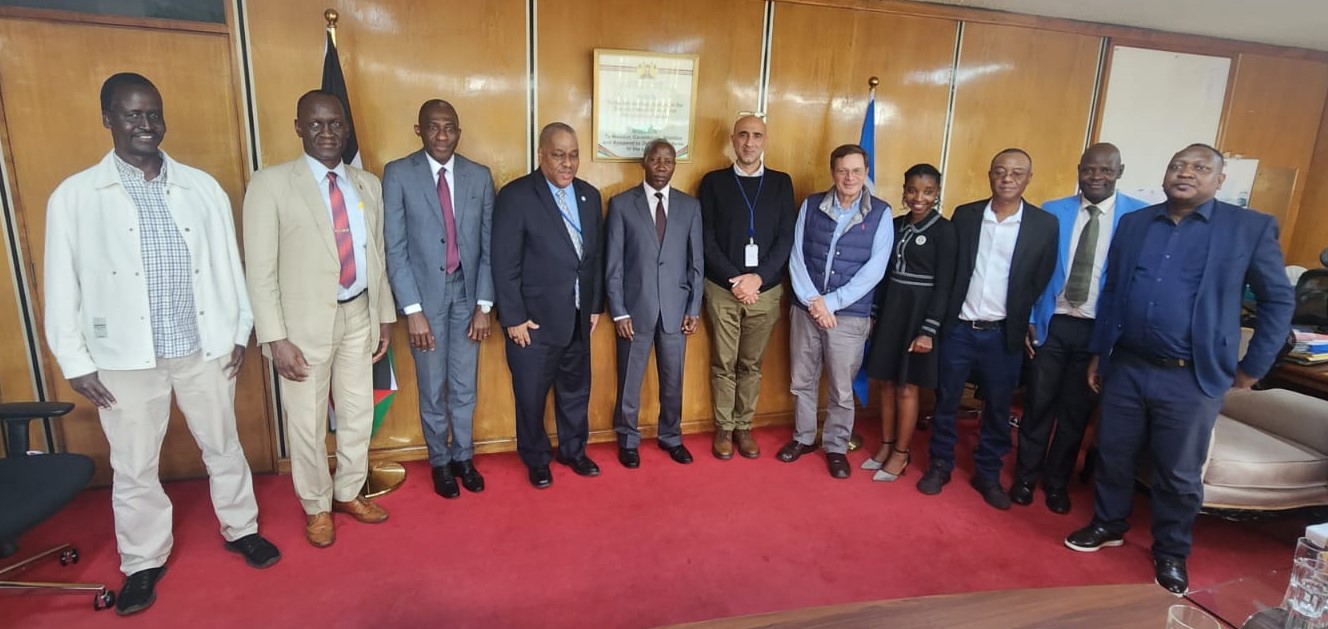
Strengthening Partnerships for a More Resilient Kenya: UN Resident Coordinator Visits the NDOC.
The National Disaster Operations Centre (NDOC) today welcomed the United Nations Resident Coordinator in Kenya, Dr. Garry Conille, who paid a courtesy call aimed at strengthening collaboration in humanitarian response, disaster risk reduction, and resilience building across the country.
Dr. Conille was accompanied by representatives from the United Nations Office for the Coordination of Humanitarian Affairs (UN OCHA) and was received by the Director of NDOC, Col (Rtd). David Samoei. The meeting underscored the shared commitment between the Government of Kenya and the United Nations to enhance disaster preparedness, response coordination, and long-term resilience in the face of increasing disaster risks.
As Kenya continues to experience the growing impacts of climate change, including floods, droughts, landslides, and other emergencies, the discussions focused on reinforcing strategic partnerships that will improve the country's ability to anticipate, prepare for, respond to, and recover from disasters.
A key area of discussion was the preparation for the October–November–December (OND) short rains season, with an El-nino being forecasted during that period, it may be associated with heightened risks of flooding and other weather-related emergencies. The meeting emphasized the importance of coordinated preparedness efforts, with NDOC reaffirmed as the national lead agency responsible for coordinating multi-sectoral disaster preparedness and emergency response. Both parties highlighted the need for timely early warning dissemination, coordinated contingency planning, and effective collaboration among national and county governments, humanitarian agencies, and development partners.
The discussions also explored opportunities to strengthen post-disaster resilience programmes that enable communities to recover faster while reducing their vulnerability to future disasters. The UN reaffirmed its commitment to supporting initiatives that promote resilient livelihoods, strengthen infrastructure, and enhance community preparedness as part of Kenya's broader disaster risk reduction agenda.
Recognizing that effective disaster management requires sustainable financing, the meeting further deliberated on resource mobilization to support disaster risk management initiatives. The Government and the United Nations acknowledged the importance of mobilizing technical, financial, and logistical resources to strengthen preparedness, response operations, and resilience-building programmes across the country.
Another important area of engagement was capacity building in Disaster Risk Management (DRM). Both NDOC and the UN agreed on the need to enhance institutional and technical capacities through training, knowledge exchange, and adoption of international best practices. Strengthening the skills of emergency responders and coordination structures at both national and county levels was identified as a critical investment in safeguarding lives and livelihoods.
Speaking during the meeting, both delegations reiterated the importance of strong partnerships in addressing the increasingly complex humanitarian and disaster risk landscape. They emphasized that collaboration between government institutions, the United Nations, humanitarian organizations, and development partners remains essential in delivering timely, coordinated, and people-centred disaster management interventions.
The courtesy visit reaffirmed the longstanding partnership between the Government of Kenya and the United Nations and marked another important step towards building a more resilient nation. Through strengthened coordination, shared expertise, and sustained collaboration, NDOC and its partners remain committed to enhancing disaster preparedness, reducing disaster risks, and protecting vulnerable communities across Kenya.